No Single Tell
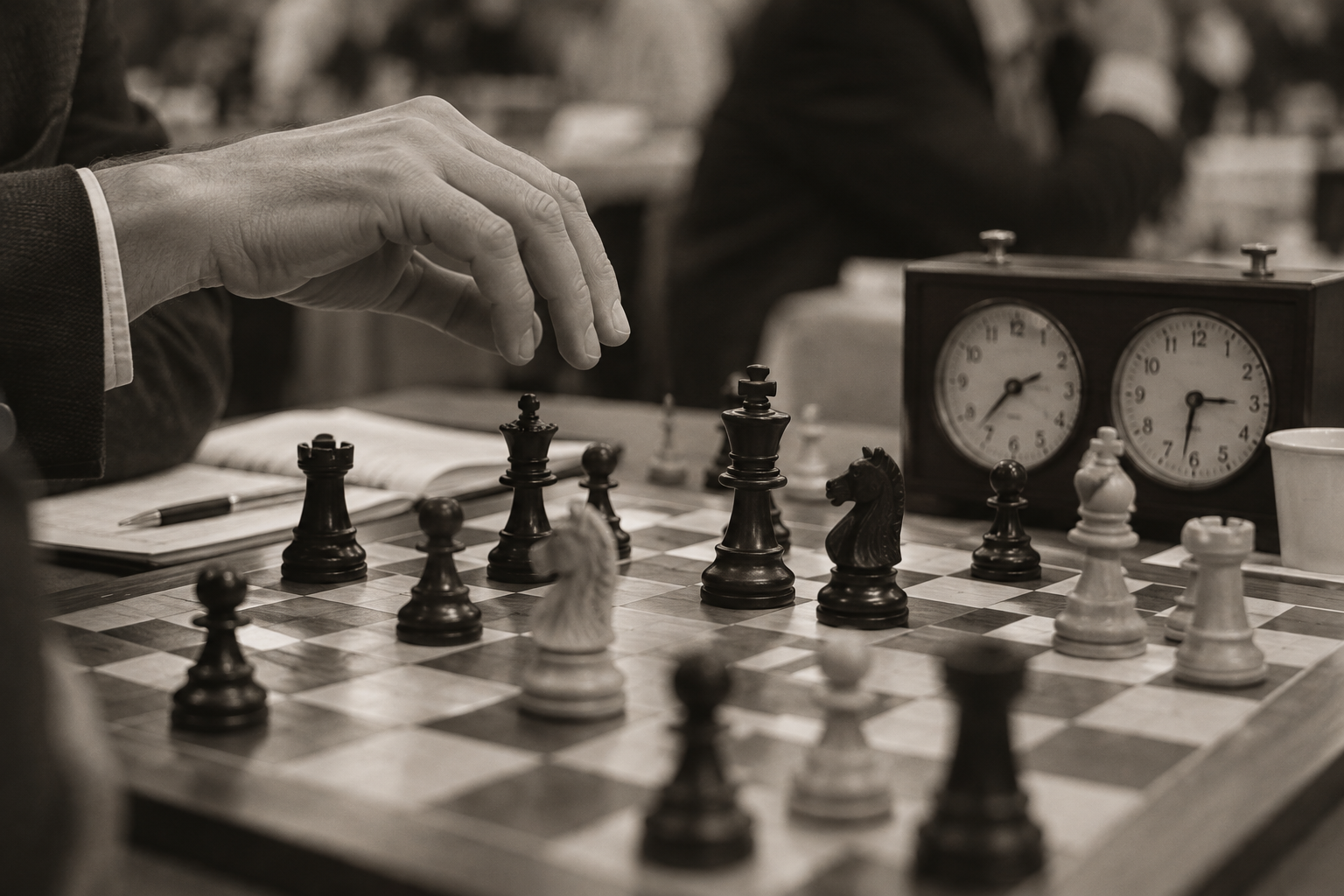
What can visible behavior actually tell us about thinking?
I align long-form chess video with human behavioral annotations, game information, clocks, and engine-derived decision context to study visible behavior over time.

FRONT PAGE // SEPTEMBER 2026HONG KONG
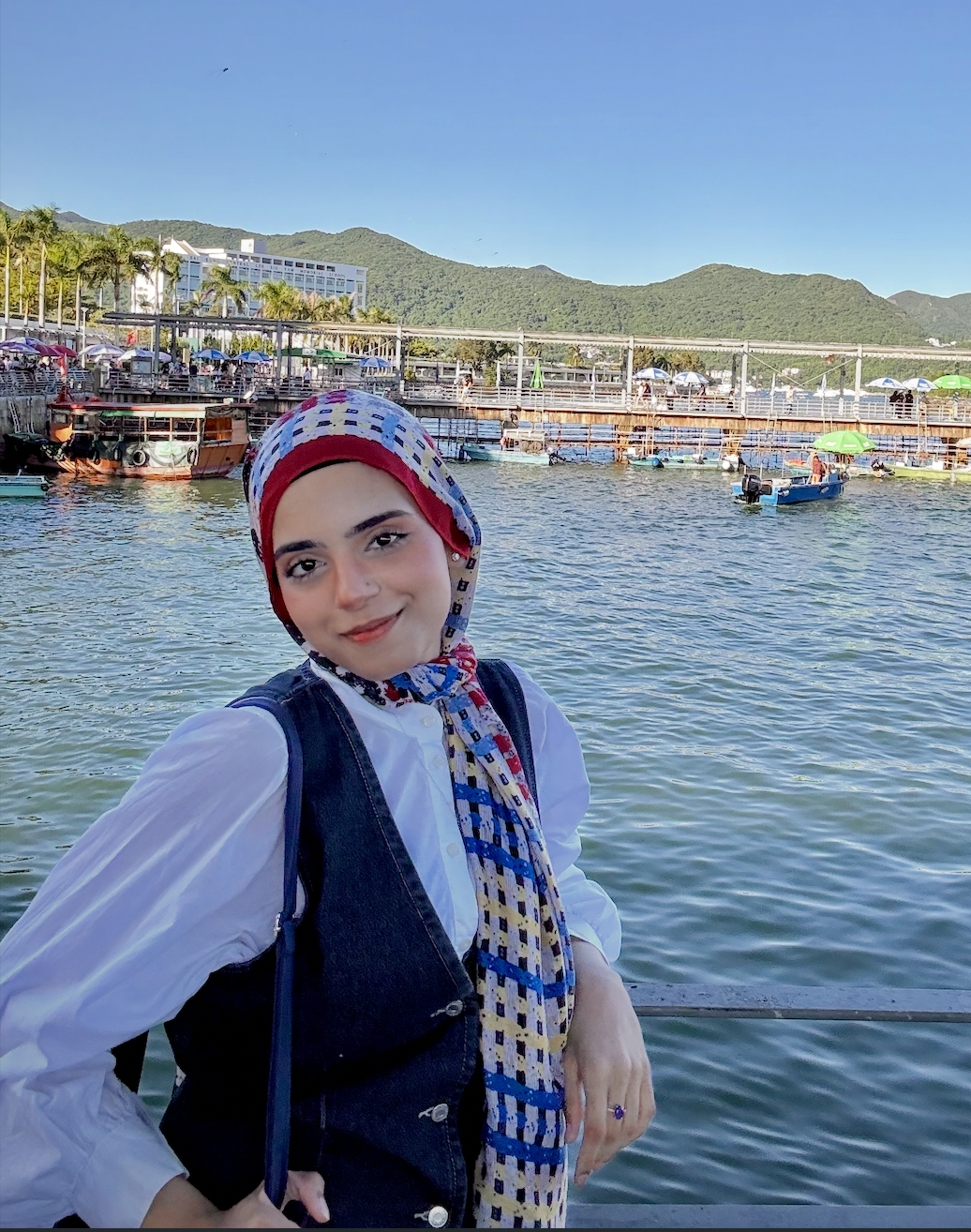
researcher, note-taker, occasional poem-hoarder
[research notes on vision, behavior, language, and cognition]
Researching human reasoning, decision-making, and AI that helps people think independently.
I’m an M.Phil. (Research) student in Computer Science & Engineering at HKUST, where I study what visible behavior can reveal about thinking in expert chess. My work sits at the intersection of computer vision, HCI, and visualization, with earlier detours through Arabic NLP and resource-efficient speech models. Before this, I studied Computer Science at Carnegie Mellon, where I also taught and did research in vision and language.
THE INVESTIGATIONS // CURRENT FILES
Current questions about visible behavior, structured choice, and the meanings carried by visual form.
What can visible behavior actually tell us about thinking?
I align long-form chess video with human behavioral annotations, game information, clocks, and engine-derived decision context to study visible behavior over time.
UNDER INVESTIGATION // 02
COGSCI 2027 · MANUSCRIPT IN PREPARATION
What makes a decision difficult when several options are all annoyingly plausible?
We model the full choice set and ask how its structure relates to decision time and decision quality.
WORLD DESK // 03
ACM CHI · LATE-BREAKING WORK IN PREPARATION · IEEE VIS 2027 FULL PAPER
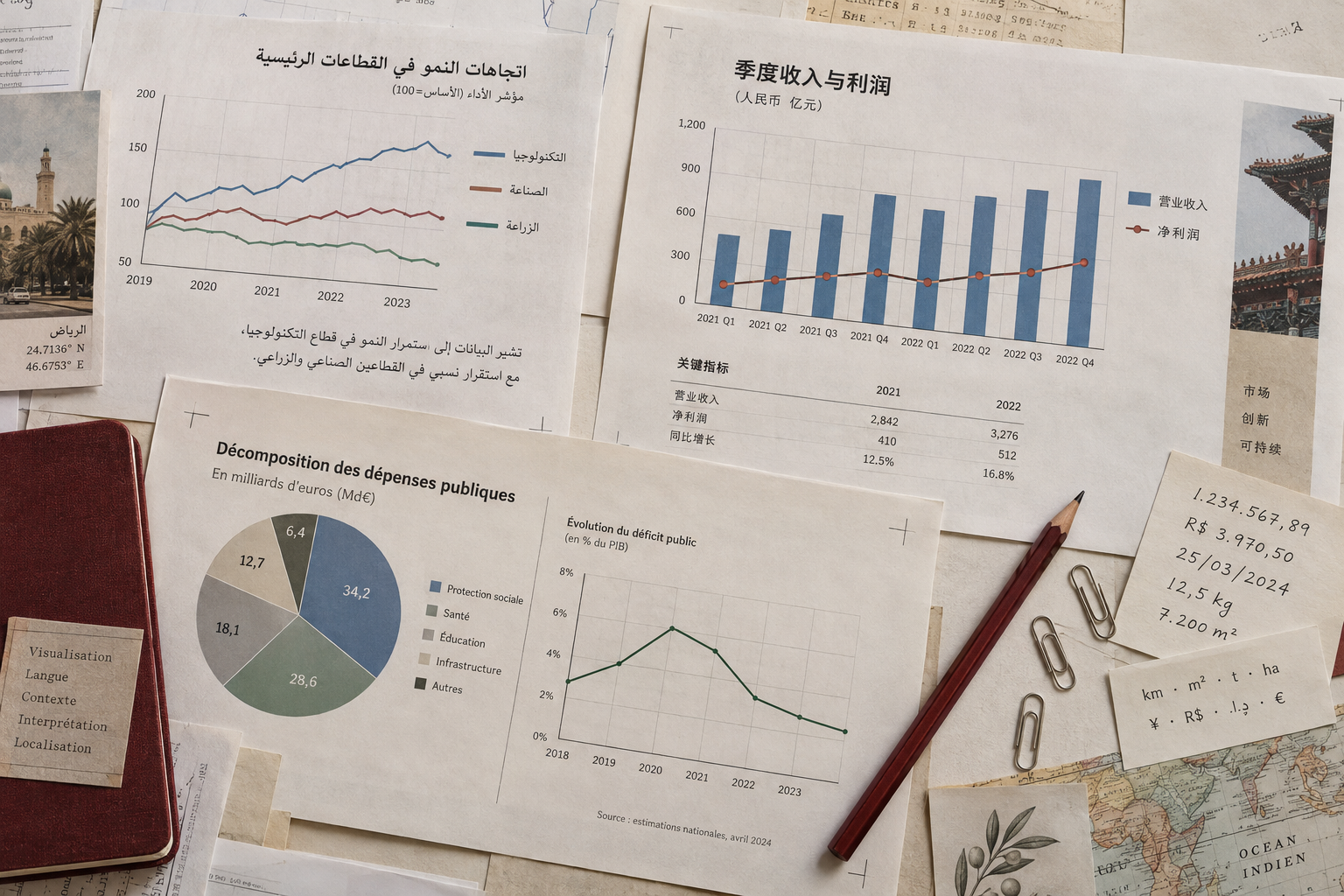
When a chart crosses a language boundary, what exactly has to travel with it?
I study how people interpret, explain, and recreate visualizations across linguistic and cultural contexts.
EARLIER FILES // FORMATIVE DETOURS
Earlier projects that taught me how to build datasets, distrust preprocessing defaults, and eventually ask more human questions.
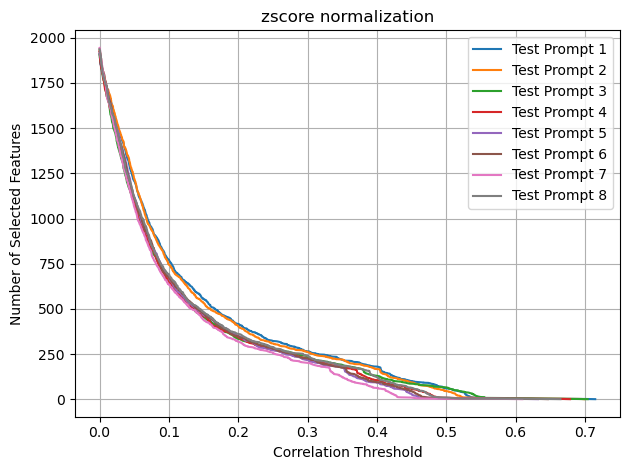
Can a model learn writing quality rather than memorizing the question?
Cross-prompt Arabic writing assessment in low-resource settings.
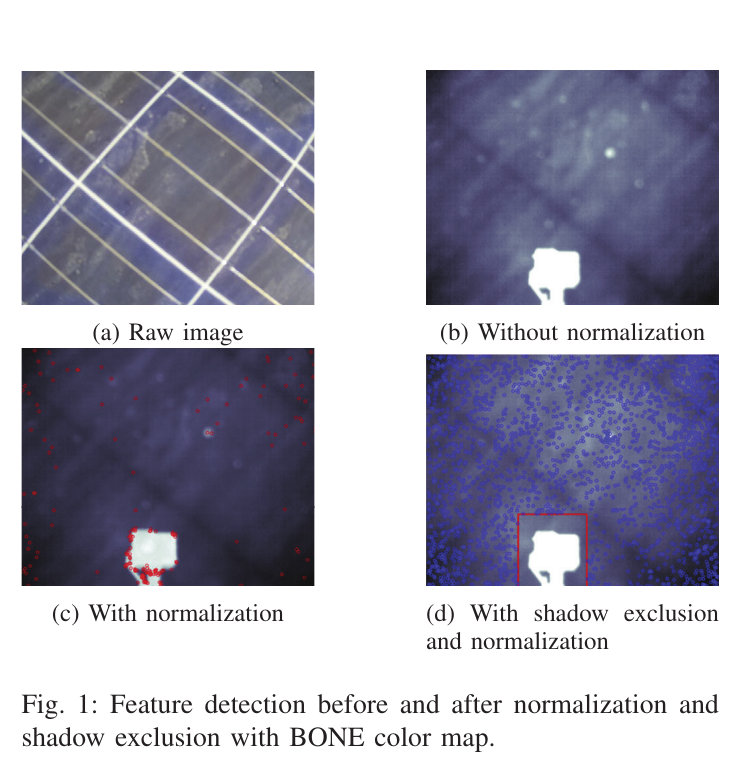
Sophomore me, several notebooks, and a very sunny CV problem.
Benchmarking classical computer-vision methods on close-range thermal imagery.
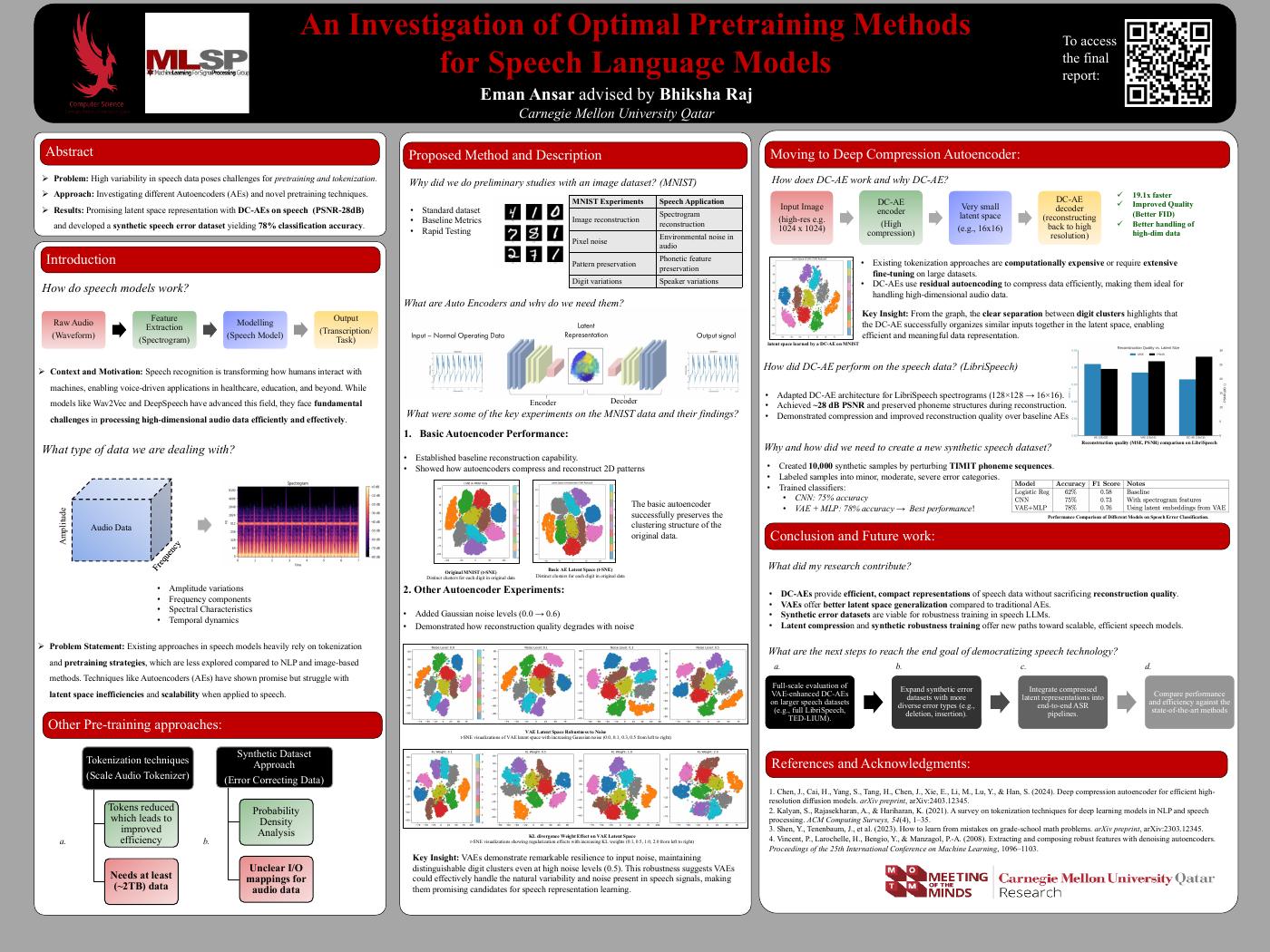
The lab where everyone seemed to speak in loss functions.
Resource-efficient representations, synthetic supervision, and my senior honors thesis.
COURSE PROJECTS // SYSTEMS // THINGS THAT ESCAPED THE NOTEBOOK
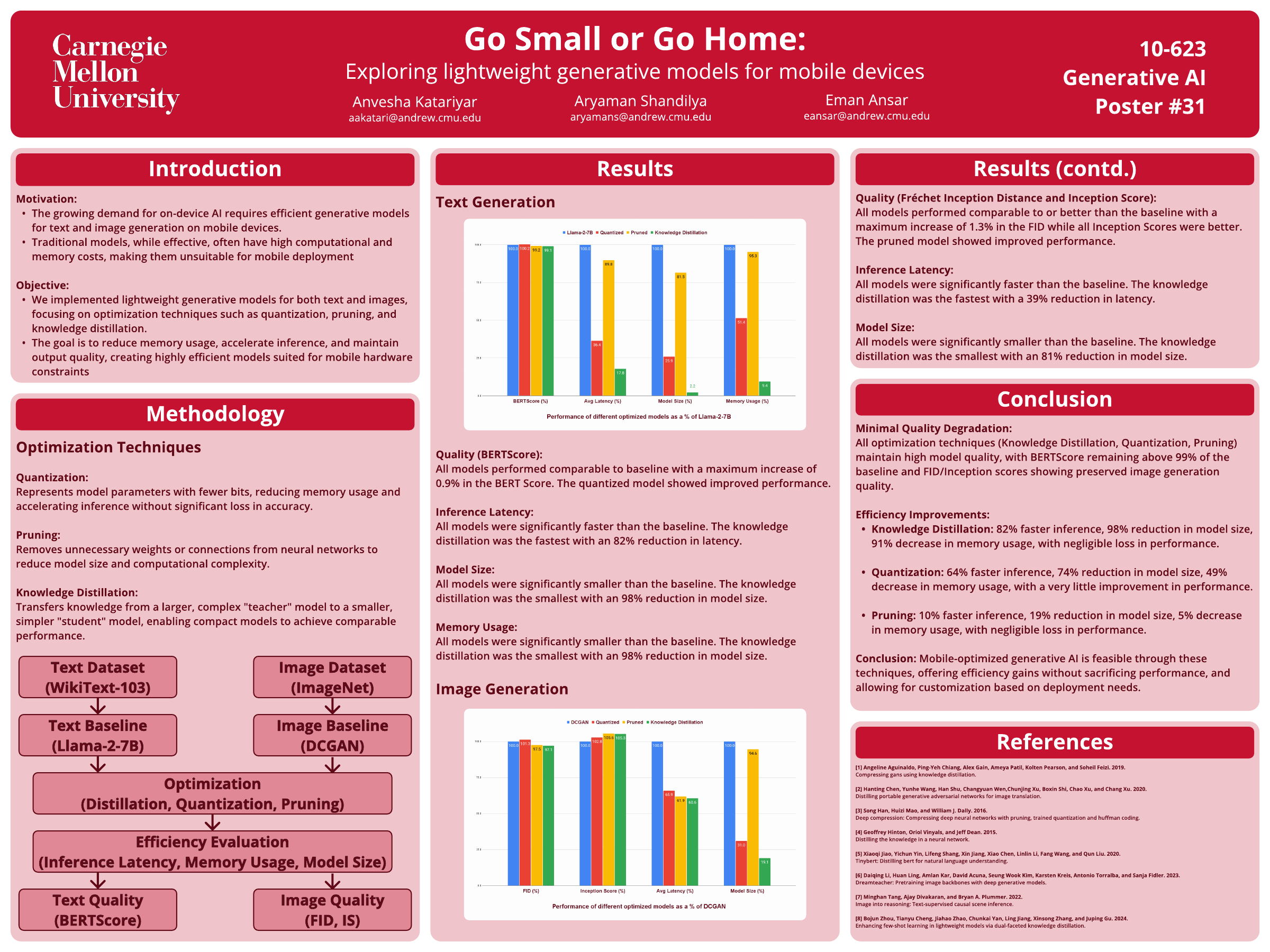
Lightweight text and image generation for mobile devices using quantization, pruning, and knowledge distillation.
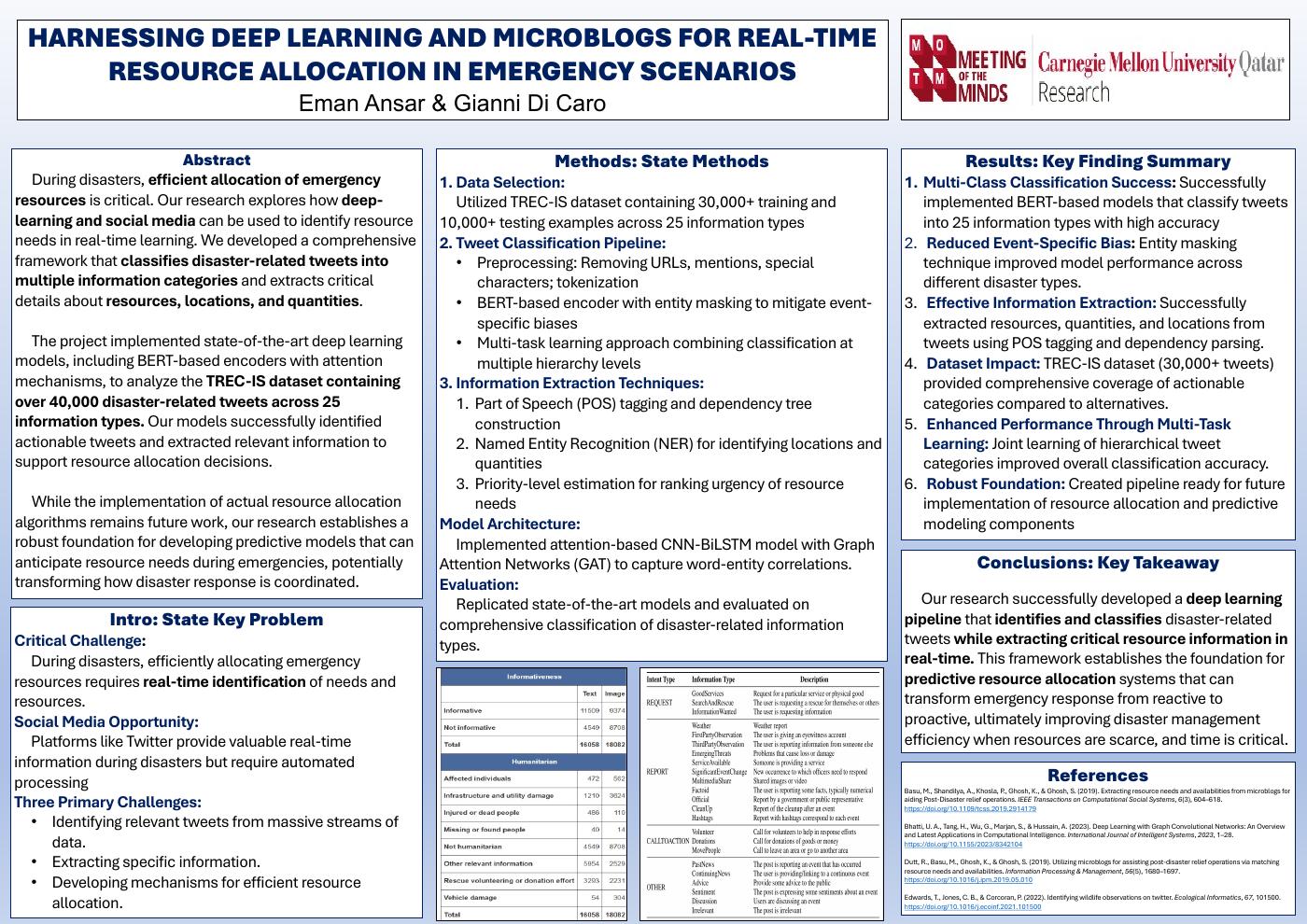
A multi-task pipeline for classifying disaster-related microblogs and extracting resource, quantity, and location information from the 25-class TREC-IS dataset.
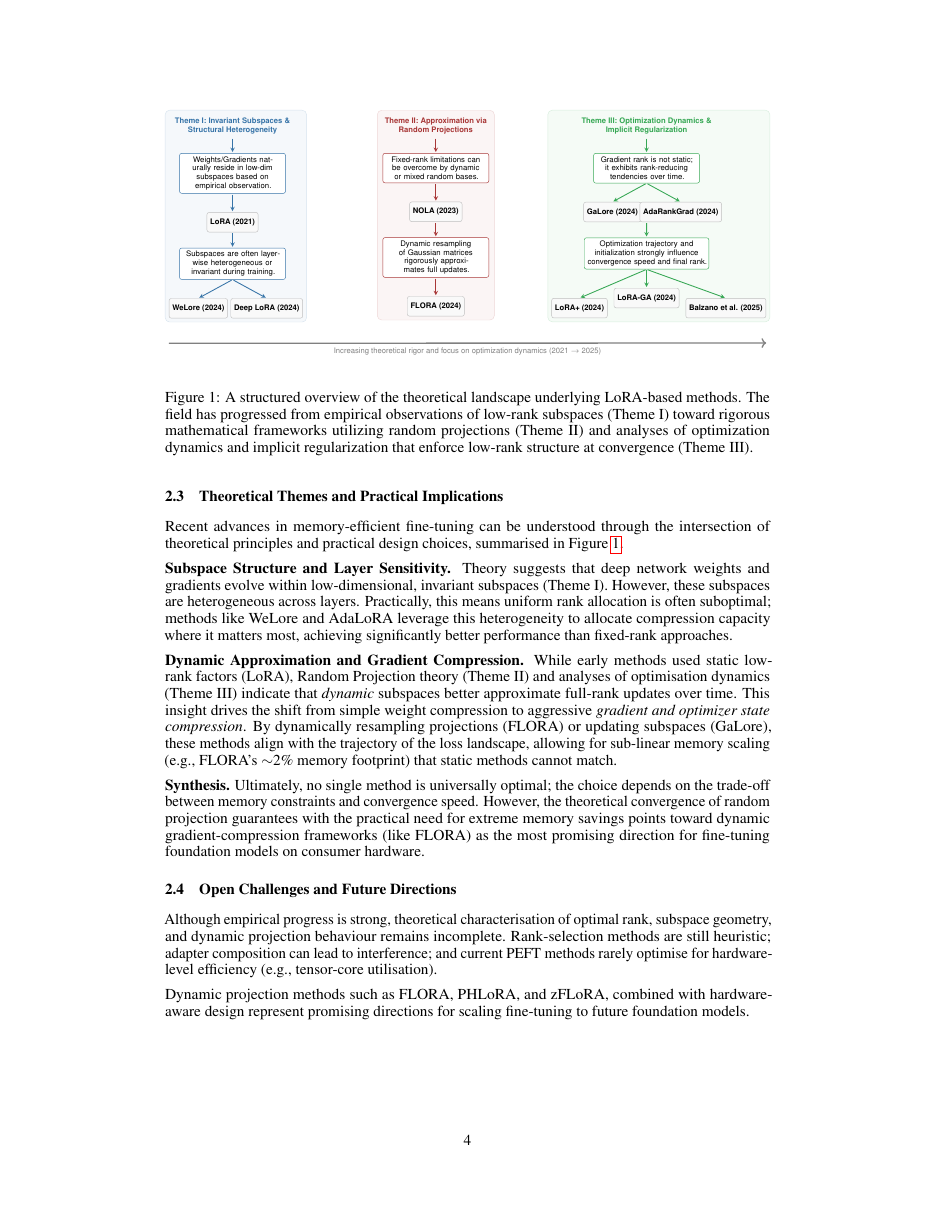
A literature-grounded extension of FLORA using adaptive projection resampling, multi-scale gradient decomposition, and spectral consistency.
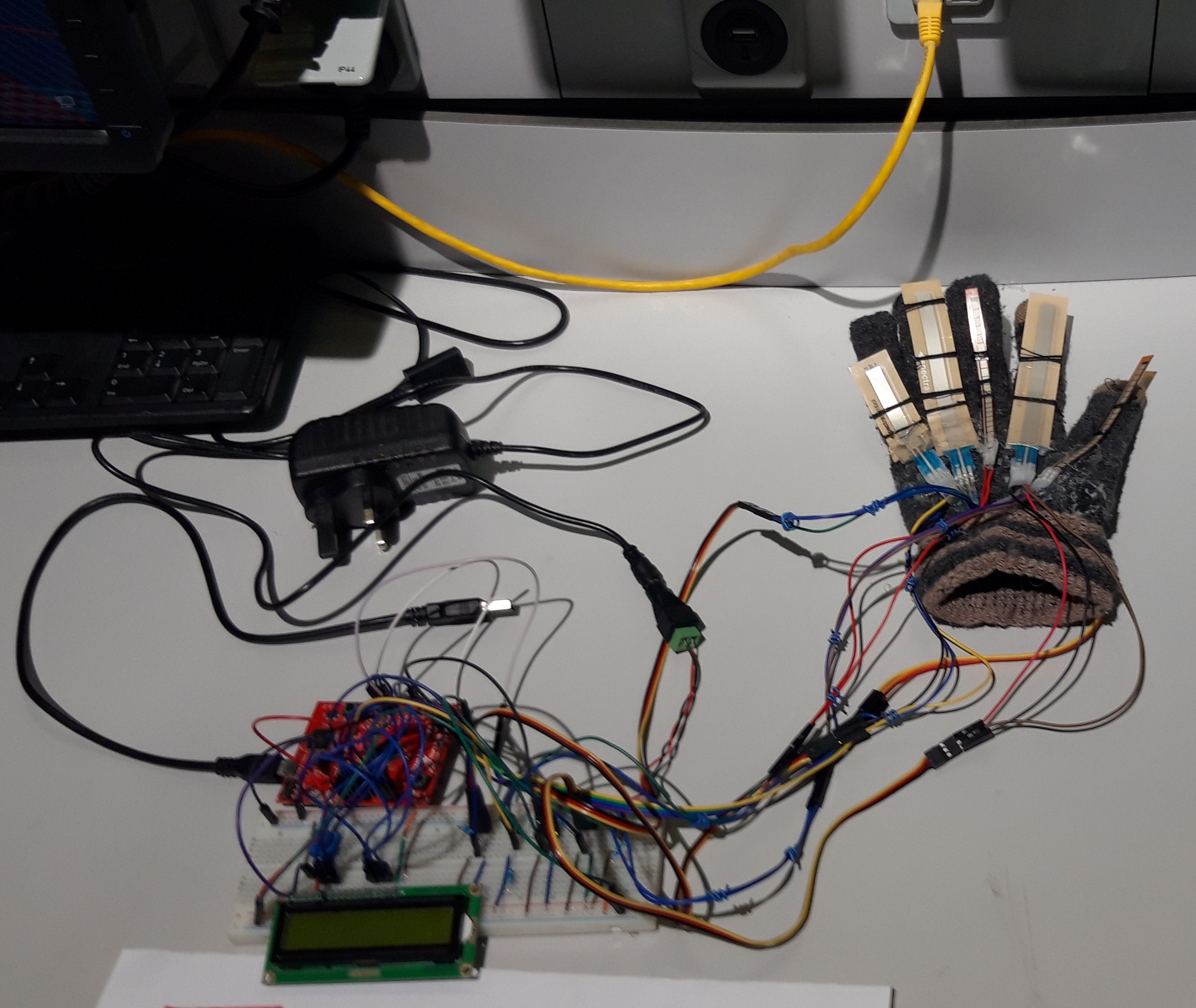
A sensor-equipped glove that maps hand configurations to ASL letters, displays output on an LCD, and supports sentence composition.
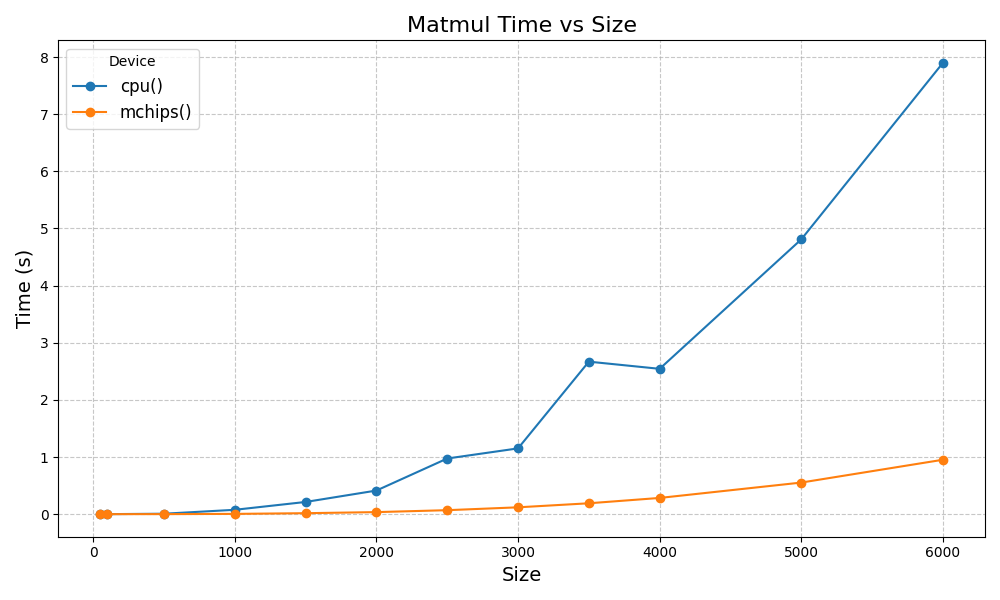
A Metal backend implementing core tensor operations and benchmarking Apple M-series acceleration against the CPU backend.
ACADEMIC BACKGROUND
The Hong Kong University of Science and Technology
M.Phil. (Research), Computer Science & Engineering
2025—2027 · DataVisards Lab
Computer Vision Based Chess Analytics · Advisor: Dr. Arpit Narechania
BSc, Computer Science · Machine Learning concentration
2021—2025 · College Honors
Senior honors thesis on speech language models · Advisor: Dr. Bhiksha Raj
Spanish Exchange Program
May 2023
Spanish-language and cultural immersion.
A Levels · 4 A*s
2021 · Mathematics · Chemistry · Biology · Physics
High Achiever distinction.
WHERE THE WORK HAPPENED
this one may have accidentally encouraged the entire situation.
May 2023—Jul 2025
Undergraduate Researcher · Eduardo Feo-Flushing
Thermal computer vision, solar-panel imagery, and the first long route from messy data to a published paper.
May—Jul 2023
AI Cybersecurity Research Intern
STIX, threat-intelligence knowledge graphs, and curated CTI datasets.
May 2024—Jan 2025
Undergraduate Research Fellow · Gianni Di Caro
Deep learning for crisis-information extraction and resource planning.
May 2024—May 2025
Honors Thesis Researcher · Bhiksha Raj
Speech and audio LLM pretraining through compressed representations and synthetic supervision.
Jun—Aug 2024
Deep Learning Research Intern
SAM, SegFormer, YOLOv8, and surgical imagery.
Apr—Aug 2025
Research Assistant · Houda Bouamor (Qatar)
PAIR-Net, ALiF-Net, prompt-agnostic Arabic assessment, and cross-lingual augmentation.
packed several years of research lore into approximately too many suitcases.
Oct 2025—Present
Postgraduate Research Assistant · Arpit Narechania
Current work across embodied cognition, human-centered AI, and multilingual visualization.
THE CLASSROOM THREAD
Teaching Assistant · three semesters · Pittsburgh → Doha
I spent three semesters as an undergraduate TA for CMU’s flagship graduate deep-learning course, mentoring graduate students, co-developing assignments with Bhiksha Raj, and supporting work across CNNs, sequence models, Transformers, and LLMs.
Teaching Assistant
I independently led lab tutorials and built instructional notebooks for core machine-learning methods, emphasizing implementation students could reason through rather than treat as magic.
Head Teaching Assistant
I led weekly recitations, mentored capstone projects, and delivered guest lectures on Transformers, self-attention, and generative AI—moving from supporting instruction to helping shape how the material was taught.
Teaching Assistant · Giselle Reis
I led recitations and office hours on Python, algorithmic reasoning, and introductory computer science.
LECTURES // TALKS // DEFENSES // OCCASIONAL MICROPHONE POSSESSION
HKUST · First Runner-Up
Presented my M.Phil. research on visible behavior and decision-making in elite chess, compressing a fairly unreasonable amount of HCI, computer vision, and chess into three minutes.
watch the 3MT talk ▶Delivered three lectures on Transformers, self-attention, and generative AI while leading weekly recitations and mentoring student capstone projects.
IEEE International Conference on Visual Communications and Image Processing
Presented my first-author work on thermal computer vision and robust feature detection and description under real-world transformations.
Defended my honors thesis on compute-efficient pretraining for speech and audio language models, spanning compressed representations, synthetic supervision, and speech-error modeling.
open the thesis field file ↗Presented my Summer Fellowship Program research on deep learning for crisis-information extraction and resource planning.
symposium record ↗ALSO BEHIND A MICROPHONE
INDUSTRY // APPLIED WORK
Artificial Intelligence Intern
Led a five-person team building a real-time multilingual captioning prototype using Azure and Power Apps, integrating live transcription, translation, and accessibility features into one end-to-end workflow.
Backend Software Engineer Intern
Built shopper-operations backend services using .NET 8, MongoDB, and Docker, supporting modular order and inventory workflows through unit-tested APIs and service architecture.
AI Product Development & Marketing Intern
Automated newsletter and content-production workflows and applied LDA and sentiment analysis to market research, audience segmentation, and product-marketing decisions.
D-180 Mentee
Participated in Deloitte’s D-180 mentorship program, gaining exposure to consulting, professional practice, and industry problem-solving alongside university and research work.
PAPERS // MANUSCRIPTS // THINGS CURRENTLY ANNOYING REVIEWERS
Under resubmission
17-participant study · ACM CHI late-breaking work in preparation · IEEE VIS 2027 full paper planned
National Research Fund–supported educational AI research
IEEE VCIP 2024 · first author
Senior honors thesis · Carnegie Mellon
Research manuscript
Research manuscript
LIFE // POEMS // HCI FOR NORMAL PEOPLE
I write in three registers: essays about living, poems about feeling, and research explainers about how people and technology make sense of one another.
researcher · explainer · poet · person with too many tabs
Life // Notebook
Essays and field notes on life, faith, ambition, womanhood, becoming, and the little arguments I’m still turning over.
read the life notes ↗Poems // Arts & Letters
The less well-behaved half of the brain: poems about love, distance, family, memory, and whatever refused to remain prose.
open the poem archive ↗New publication HCI // Research Explainers
Interesting research, complicated ideas, and things I can’t stop thinking about—explained like a normal person. I promise.
We’ll learn A through Y, then get to Z together.
I read papers, fall into research rabbit holes, get confused, figure them out, and explain what I wish someone had told me at the beginning. Difficult ideas do not need to be dumbed down; sometimes they just need someone willing to build the staircase.
OPEN LINE
Letters, questions, collaborations, and curious detours are welcome.